
A Path Forward for Indigenous Wildfire Operations and Resource Sharing
February 17, 2026
Indigenous Peoples disproportionately experience the effects of out-of-control wildfires across Canada - higher evacuation rates, burned communities, and loss of culturally significant sites. However, Indigenous wildland firefighters and Indigenous wildfire organizations are consistently excluded from wildfire operations, particularly around firefighter training, operations decision-making, and resource exchanges.
The “Giving Voice to Cultural Safety of Indigenous Wildland Firefighters” report documented the limited career progression opportunities for Indigenous wildland firefighters as well as discrimination and harassment experienced by Indigenous folks on the fireline. There has also been building frustration that Indigenous wildland firefighters are not called upon, with wildfire agencies instead turning to international firefighting crews.
Recognizing these challenges, the National Indigenous Fire Safety Council and other national and large regional Indigenous wildfire organizations decided to come together as a collective group to explore opportunities in wildfire operations and coordination. This includes exploring Indigenous firefighter training and accreditation and increasing the ability for Indigenous peoples to fight fires in their local regions and to export crews across Canada.
“This meeting was momentous. Indigenous wildfire organizations have been trying to meet with CIFFC for decades to advocate for Indigenous involvement in wildland firefighting… I think we are getting closer to making that dream a reality.” —Amy Cardinal Christianson, Indigenous Leadership Initiative.
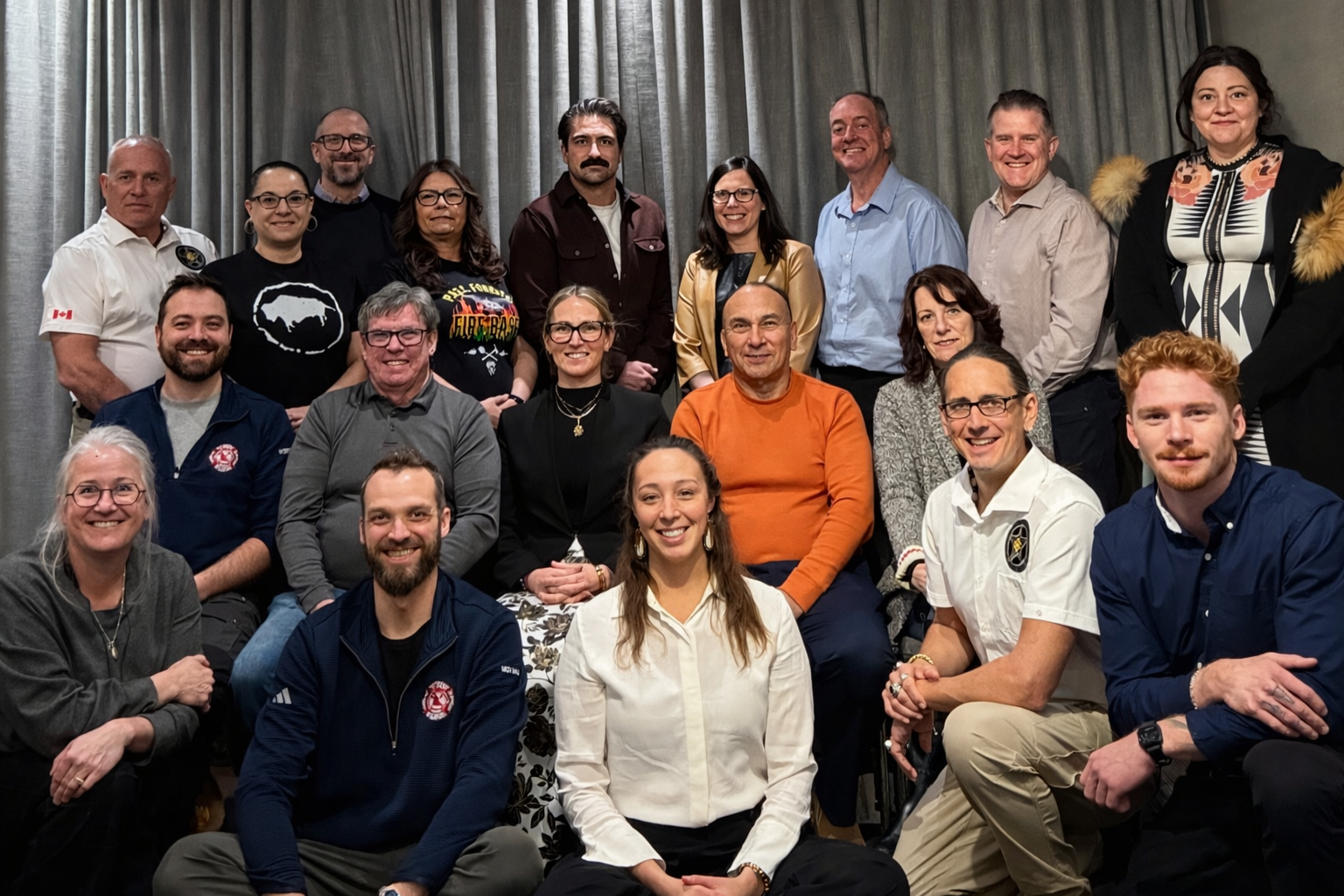
From January 27 to 29, 2026, the Indigenous Wildfire Operations Working Group met with the Canadian Interagency Forest Fire Centre (CIFFC) in Winnipeg, Manitoba to discuss concrete steps towards increasing Indigenous leadership and involvement in wildfire operations and resource sharing across Canada.
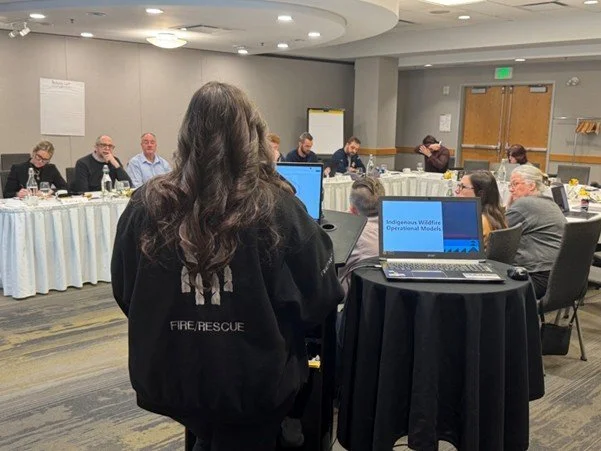
“This meeting was momentous,” said Amy Cardinal Christianson, the Senior Fire Advisor for Indigenous Leadership Initiative. “Indigenous wildfire organizations have been trying to meet with CIFFC for decades to advocate for Indigenous involvement in wildland firefighting. And Indigenous firefighters have long advocated for an ‘Indigenous CIFFC’ to support wildland firefighting in Canada, and I think we are getting closer to making that dream a reality.”
The inaugural Indigenous Wildfire Operations Working Group currently includes representatives from the First Nations’ Emergency Services Society, Independent First Nations Alliance, National Indigenous Fire Safety Council, Prince Albert Grand Council and Yukon First Nations Wildfire (YFNW). The Indigenous Leadership Initiative serves as convener and facilitator, with support from Natasha Caverley from Turtle Island Consulting Services Inc. and Elder Paul Courtoreille from the Gift Lake Metis Settlement. All the organizations involved fully recognize that not all regions of Canada were represented, nor all types of Indigenous wildfire organizations (including contractors).
“The potential impact of this work reaches far beyond today, creating lasting benefits for Indigenous generations to come. This is the first of many important steps, and we are stronger when we take them together.”—Nick Mauro, Yukon First Nations Wildfire
Themes covered during the three day meeting included:
Co-creating a collaborative and unified vision for Indigenous-centered wildfire operations and resource sharing, while respecting and honouring the diversity of Indigenous wildfire organizations across Canada.
Identifying and understanding existing gaps, challenges, opportunities and strengths in wildfire operations and resource sharing;
Sharing and exploring operational models from Indigenous wildfire organizations and CIFFC; and
Deepening the understanding of the value of Indigenous leadership, protocols and decision-making roles in wildfire operations and resource sharing.
Importantly, the groups agreed to sign a Letter of Intent which affirms a shared commitment between the inaugural Indigenous Wildfire Operations Working Group and CIFFC to move forward together in a good way on seven areas, including future virtual and in-person meetings and a scoping study.
“CIFFC is grateful to the Indigenous Wildfire Operations Working Group for the thoughtful dialogue and strong foundation established at this gathering,” said CIFFC’s Executive Director Kelsey Winter. “Starting this initiative in such a collaborative way gives me confidence and optimism that we will continue to shape the much needed path forward together.”
Through a wildfire operations lens, this collaboration responds to changing wildfire realities while advancing equity, truth and reconciliation, and Indigenous economic reconciliation. It aligns with the spirit and intent of the Truth and Reconciliation Commission of Canada Calls to Action and the United Nations Declaration on the Rights of Indigenous Peoples (UNDRIP), recognizing that reconciliation must be operational.
“YFNW is proud to stand behind 'A Path Forward for Indigenous Wildfire Operations and Resource Sharing' and sees it as a necessary initiative that strengthens how we protect our lands and our people,” said Nick Mauro, the CEO of Yukon First Nations Wildfire. “The potential impact of this work reaches far beyond today, creating lasting benefits for Indigenous generations to come. This is the first of many important steps, and we are stronger when we take them together.”