Top 5 Breakthroughs in Indigenous-led Conservation in 2025
December 22, 2025
This year brought seismic changes in the Canadian political and economic landscape. It also delivered the second worst wildfire season on record, forcing 45,000 people to evacuate from 73 First Nations communities. Yet amid these shifts and challenges, First Nations continued to care for lands and waters and offer models for sustaining the long-term health of communities, cultures, and economies—models that benefit all Canadians. Here are a few snapshots:
$375 Million Secured for Indigenous-Led Conservation in NWT
An unprecedented initiative supporting the leadership of 21 Indigenous Governments in the Northwest Territories launched its implementation phase this year. In July, representatives of the Government of Canada and the Our Land for the Future Trust signed a grant agreement releasing $300 million in federal funds for Indigenous-led conservation, stewardship, and economic development across the NWT. This in turn triggers contributions from philanthropic partners of $75 million in a public/private match.
“This trust is about securing our ability to care for our territory in our own way, on our terms, for generations to come.” —Frederick Blake Jr, Grand Chief of the Gwich’in Tribal Council
These investments will generate tangible benefits in communities—from job creation to emergency preparedness and beyond. They will also strengthen Indigenous self-determination and help Canada meet its conservation goals. ILI is proud to have played a convening role in the NWT: Our Land for the Future (OLF) initiative and congratulates all partners and the newly established OLF Trust on launching an exciting implementation.
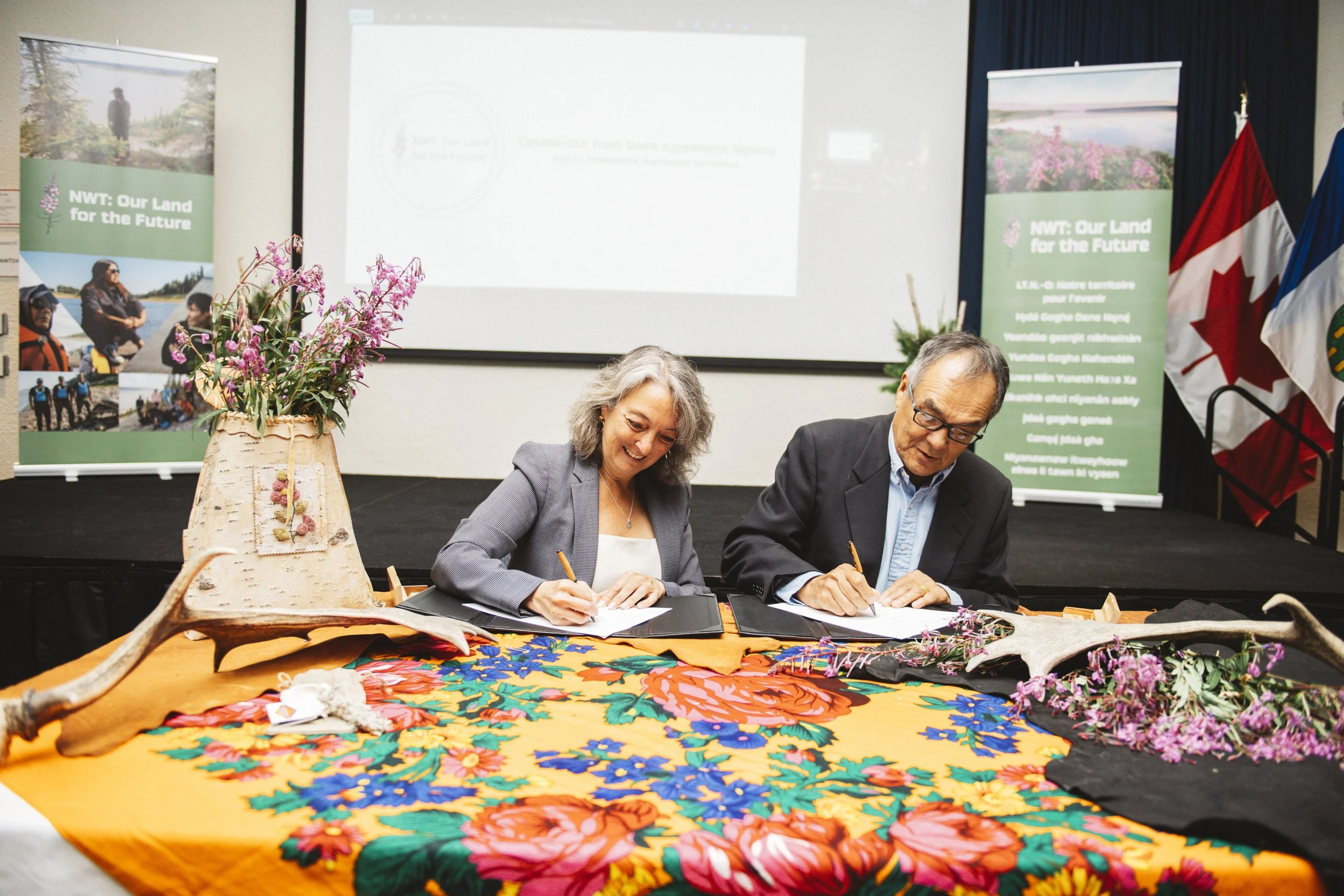
Environment and Climate Change Canada Minister Julie Dabrusin and Danny Yakeleya, the chair of Our Land for the Future Trust, sign the grant agreement in Yellowknife.
Accelerated Land Use Planning across 160,000 Sq Km in Northern BC
Determining the future of traditional territories is at the root of Indigenous Nationhood, and this summer, several First Nations strengthened their ability to decide what happens on the land. In June, the Kaska Dena, Tahltan, Taku River Tlingit, Gitanyow and Nisga’a Nations and the Government of British Columbia committed to a land use planning process across 160,000 sq km.
“This isn’t just about protecting land and leaving it be, it is really, truly about protecting a way of life.” —Gillian Staveley, former director of culture and land stewardship at Dena Kayeh Institute
Through community input, research, and mapping, they will identify areas to protect—like Dene K’éh Kusān, a vast, intact landscape where Kaska Dena have lived for 8,000 years. And they will outline areas where they will consider development, bringing welcome clarity for industry partners. B.C. has paused mineral staking in a third of the region while planning is underway. ILI has partnered with several of these Nations and supported some of their existing land use plans that will shape a new era of Indigenous-led decision making.
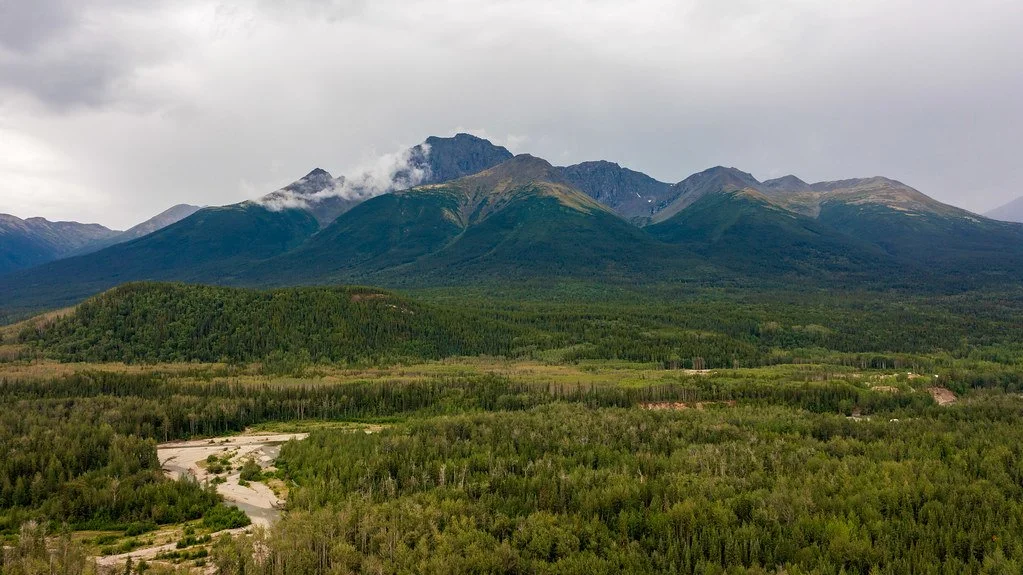
The Kaska Dena are leading the effort to protect Dene Kʼéh Kusān, an area the size of Switzerland free of roads, power lines, and development.
275 Guardians Participate in Largest National Guardians Gathering
Crowds lined Victoria’s Inner Harbour in June to welcome tribal canoes carrying Guardians from across the country as part of the opening ceremony for the First Nations National Guardians Gathering. About 275 Guardians attended the three-day event, joined by leaders and allies for a total of over 350 participants.
“Everyone here to your right to your left will have some type of guidance they can share with you.” —Angelina Francis, Natural Resource Manager, Miawpukek First Nation
Held in Songhees Territory, it was the largest, most representative Gathering yet, with more than 130 Guardians programs participating. Many programs attended for the first time—a testament to the movement’s expansion. When ILI hosted the first Gathering in 2016, about 30 programs were operating. Now over 200 First Nations Guardians programs are caring for lands and waters across the country. ILI organized this year’s gathering along with the National Guardians Network.
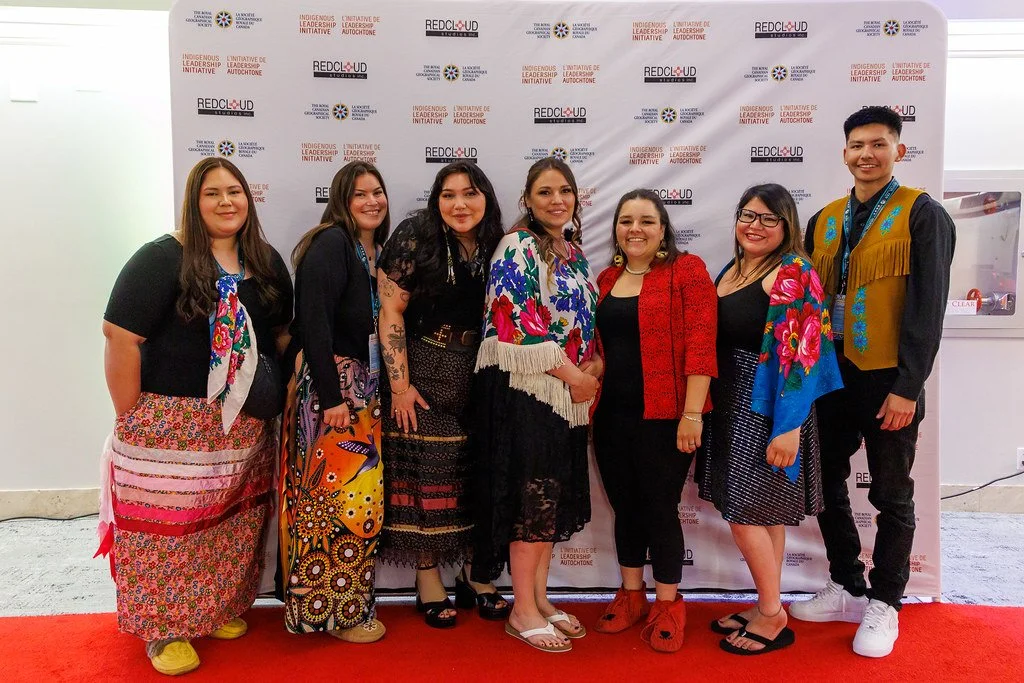
Members of the Guardians Storyteller Project at the private viewing of Guardians of the Land—a documentary co-directed by Jennifer Podemski—which had its first screening at the Gathering.
Indigenous Nations Strengthen Their Fire Stewardship
Many First Nations faced the impacts of the year’s intense wildfires, but they demonstrated the power of fire stewardship rooted in Indigenous knowledge, governance, and culture. From Tulita Guardians receiving fire response training in the NWT to Blood Tribe Fire Guardians reviving cultural burns in Alberta, Nations are developing tools that protect their communities—and the larger Canadian public.
“Cultural fire is about taking care of the land.” —Joe Gilchrist, Salish Firekeeper
This momentum was on full display at the inaugural National Indigenous Fire Gathering in September. Hosted by the Thunderbird Collective and the snpink’tn (Penticton Indian Band), the event drew 140 participants for knowledge exchanges with fire practitioners from Canada, Australia, and the U.S. Many shared how good it felt to attend an event devoted to Indigenous fire stewardship—instead of just one panel or side event at typical fire conferences. ILI is incubating the Thunderbird Collective and works to strengthen Indigenous decision making on fire and expand Indigenous Fire Guardians programs.
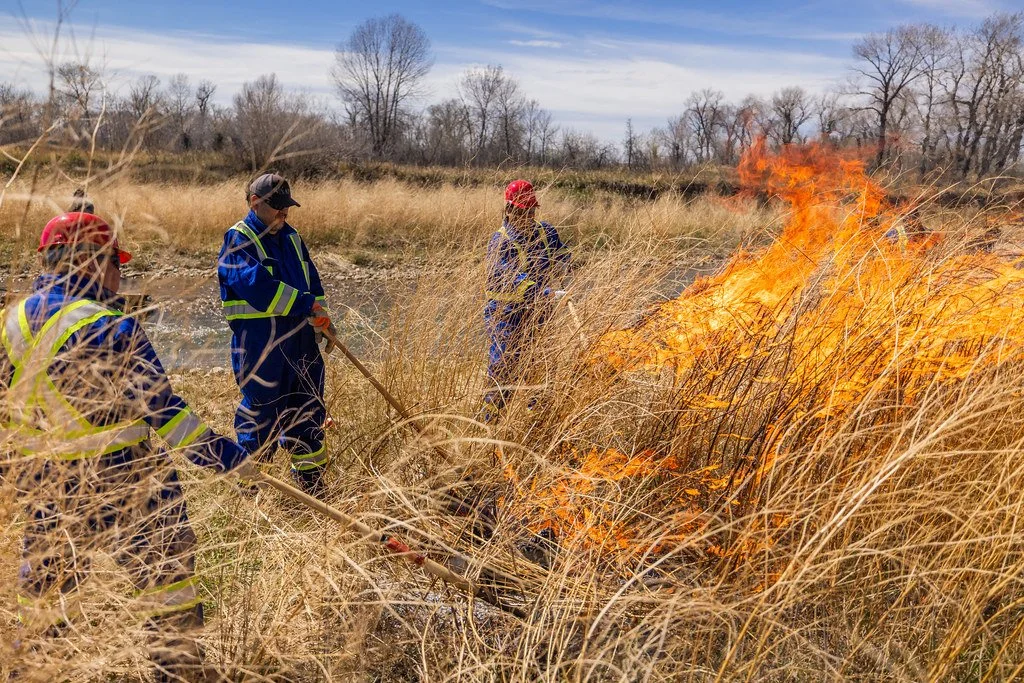
Members of the Blood Tribe Fire Guardians training to put cultural fire on the land.
Alaska Federation of Natives Passes Resolution Supporting Guardians
Indigenous-led stewardship continues to expand across the United States, especially in Alaska. Dozens of Native Alaskan communities have Guardians on the ground, and many more want to launch programs. The movement got a boost in October at the Convention of the Alaska Federation of Natives—the largest gathering of Native people in the country—where the Aleut Community of St. Paul Island Tribal Government introduced a resolution to officially recognize Guardians, Rangers, and Sentinels as a pathway to strengthening Tribal sovereignty, food security, and climate resilience.
“Guardianship means seeing ourselves in the process of caring for our homes, not just ‘managing’ resources.” —Hannah-Marie Garcia-Ladd, Director of the Indigenous Sentinels Network
Delegates also called for permanent investment in these programs and their integration into Tribal, state, and federal co-management frameworks. ILI is supporting the development of a US network that brings together Tribally led stewardship programs and uplifts Tribal decision-making on land and water.
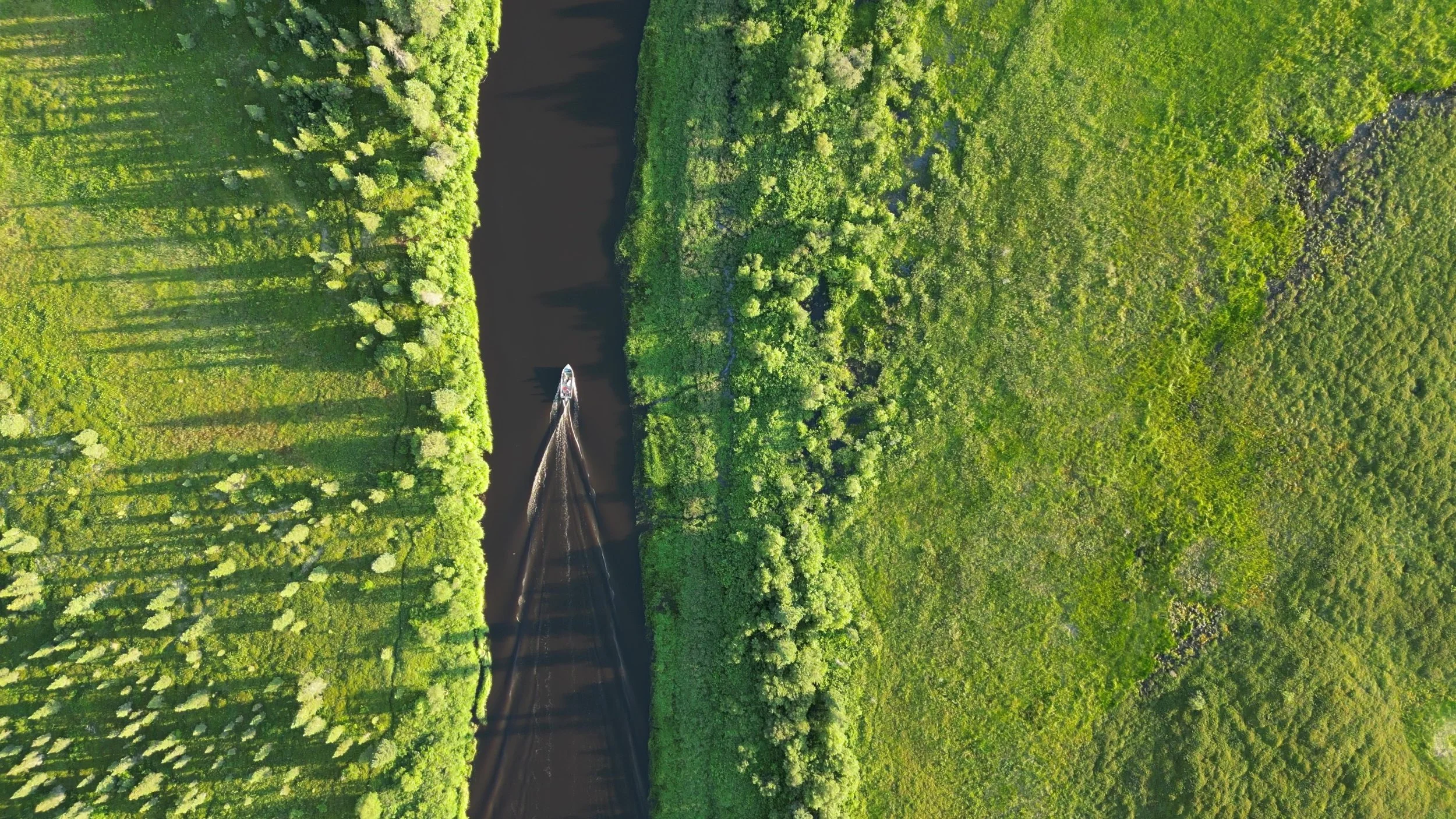
A boat travels on Kaskanak Creek, a tributary into the Kvichak River, an important traditional harvesting area monitored by Bristol Bay Guardians.
Bonus Breakthrough: Fellowship Launched for First Nations Women in Conservation
Many Indigenous-led conservation initiatives are led by women, but they often work in isolation. The First Nations Women Transforming Conservation Fellowship is designed to help change that. Launched in March, it supports emerging women leaders by providing a range of growth opportunities and mentorship from an Aunties Circle.
“Uplifting Indigenous women’s leadership generates transformative benefits for how conservation is done in this country.” —Valérie Courtois, Executive Director of the ILI
Over 70 people applied for the program, and the two inaugural fellows were announced at the National Guardians Gathering in June: Mary-Jo Michell from Nlaka’pamux and Taylor Galvin Ozaawi Mashkode-Bizhiki from Brokenhead Ojibway Nation. The fellowship is hosted by ILI and Wildlife Conservation Society Canada.
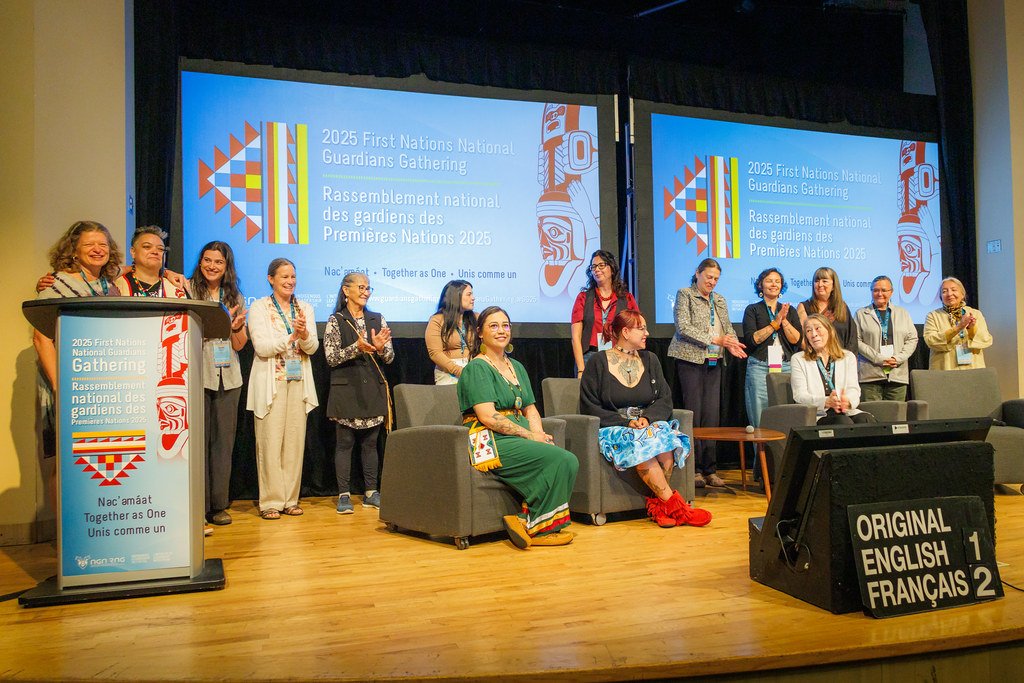
The first two fellows were introduced at the National Guardians Gathering, where they were surrounded by the Aunties Circle that will support them through their learning.