
October 29, 2026
By Frank Brown
First Nations are the caretakers of our lands and waters, and when disasters strike, we are often the first to respond. Yet our Guardians are too often left without the funding, equipment, and support needed to protect our territories and communities. As major projects and tanker traffic increase the risk of catastrophic incidents along the Pacific Coast, governments and industry must invest in Indigenous-led emergency preparedness and expand Guardian programs before the next disaster happens.
The 10th anniversary of the Nathan E. Stewart spill in Heiltsuk territory is a stark reminder of what is at stake—and why First Nations must be supported to lead.
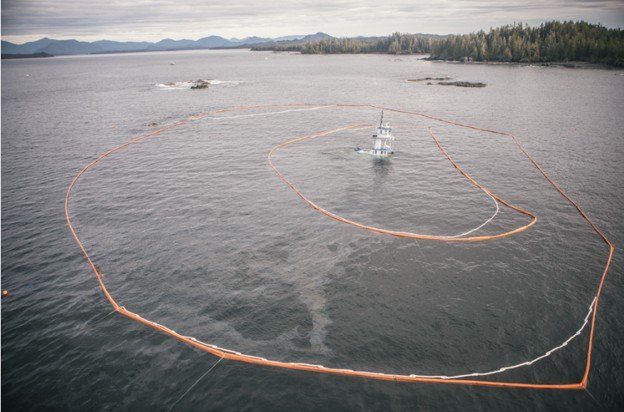
Ten years ago this month, a tugboat ran aground in Heiltsuk territory and spilled more than 110,000 litres of fuel into the waters around Bella Bella. Heiltsuk Guardians were among the first on the scene. Crown government responders were too far away to arrive promptly, and winter weather delayed them further.
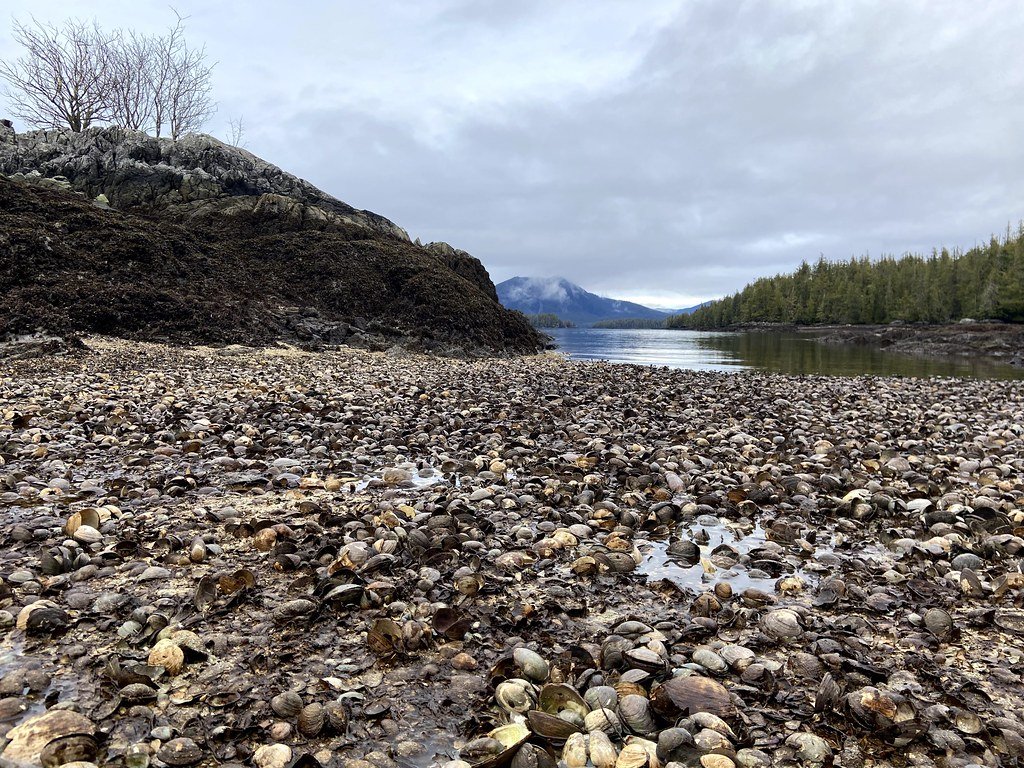
Without adequate equipment, resources, or a clear chain of command, our Guardians could do little more than observe and report. Winds and tides pushed fuel into Q̓vúqvái, where community members harvest food, and toward an ancient Heiltsuk village site that sustained our people for thousands of years (some of our ancestral village sites stretch back 14,000 years).
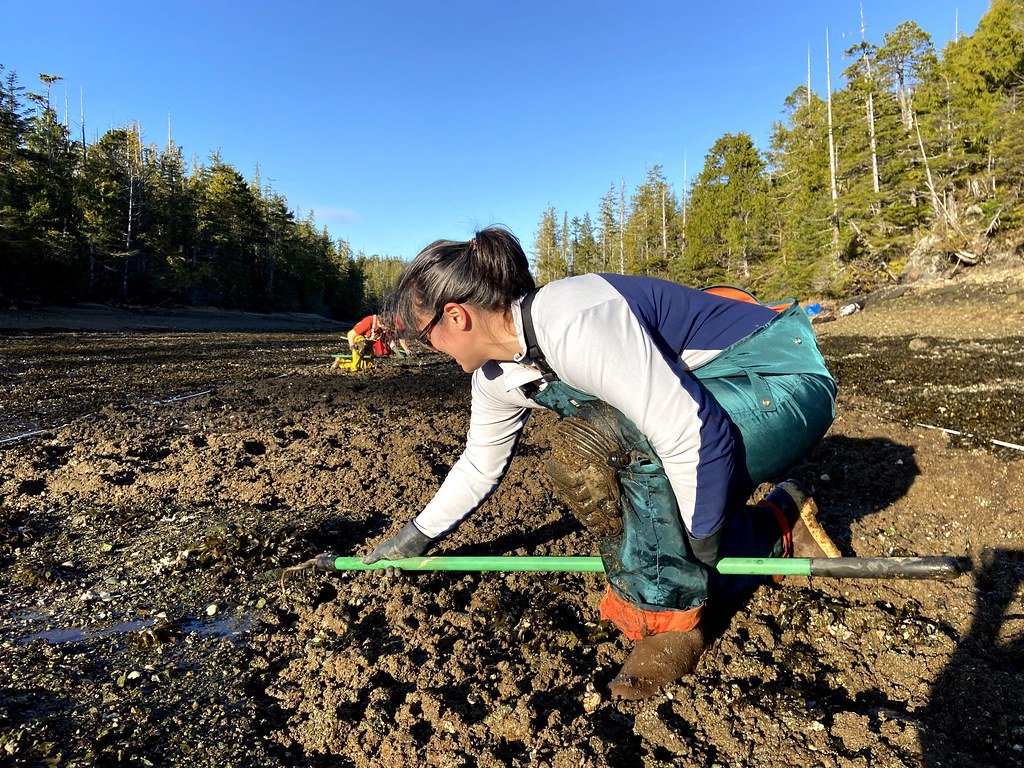
A decade later, our community and Guardians are still monitoring the spill’s impacts, collecting data, restoring beaches, and planning for future emergencies. Our Nation has taken responsibility for the long-term health of the area, even as other governments have abandoned it.
Place-Based Peoples Lead Response and Restoration
Indigenous Peoples have longstanding relationships with our territories. The Heiltsuk are part of ancient maritime society, with deep knowledge of our waters. And like other coastal First Nations, we are on these waters throughout the year.
In major incidents on the Pacific Coast, First Nations have repeatedly responded, helped save lives, and monitored impacts and recovery.
The Ahousaht responded when the whale-watching vessel Leviathan II sank in 2015; six passengers died and 21 were rescued.
Gitga’at members were first on the scene when the Queen of the North ferry ran aground in 2006. With Coast Guard vessels an hour away, Gitga’at members helped rescue 99 of the 101 passengers.
Heiltsuk community members and Guardians demonstrated the same commitment when the Nathan E. Stewart ran aground. But commitment alone cannot replace the resources required to respond effectively.
With a tugboat, we could have pulled the vessel off the rocks within hours. With equipment such as containment booms, Guardians could have contained the spill sooner. Instead, our community faced the consequences with inadequate resources. Today, Guardians continue monitoring and remediation without adequate compensation.
We are often told Canada has a “world-class” marine emergency response system. Our lived experience tells us otherwise. A system that leaves First Nations to respond first without the resources they need is not adequate.
First Nations should not have to carry the responsibility of protecting our lands and waters for the benefit of all Canadians without the financial support to do so. Guardians need stable, long-term funding, specialized training, appropriate equipment, and the capacity to respond immediately when disaster strikes. Funding must also cover monitoring, research, restoration, and recovery long after public attention fades.
At a recent potlatch, the Heiltsuk Yím̓as (Hereditary Chiefs), the Ḿṇúyaqs Council (Women’s Council), and Heiltsuk Tribal Council issued a protection declaration marking the spill anniversary. It commits the Heiltsuk Nation to restoration and protecting our territory from increased tanker traffic. (Link to declaration)
Indigenous-Led Solutions Offer a Path Forward
The Heiltsuk Nation has worked hard to build a conservation economy that creates jobs, attracts investment, and sustains our territory. We helped establish the Mia-yaltwa Ha’lidzogm hoon (Realm of Salmon, Home of the Salmon) marine reserve and support initiatives that create stewardship jobs and successful ecotourism.
We risk losing these gains if we fail to learn from the past, prepare for major projects, and invest in First Nations’ emergency preparedness.
That investment must begin with the experts already in the field: First Nations Guardians, from coast to coast to coast. Guardians are not simply observers. They care for their territories every day and are often the first to act when lives, livelihoods, and ecosystems are threatened.
With sustained funding, Guardian programs can grow, train more people, acquire essential equipment, and strengthen emergency response. They can also conduct the research, monitoring, and restoration needed long after an incident occurs.
As major projects continue to be proposed and developed along the Pacific Coast, governments and industry must plan for catastrophic incidents before they happen. In our region, an Indigenous-led first-responder centre in the outer Mid Coast would help ensure a faster response, especially during stormy winter months when outside responders may be delayed.
First Nations must be funded as essential partners in emergency preparedness, not left to shoulder the costs after disaster strikes. Guardian programs must expand alongside industrial activity and the risks it brings.
The lesson of the Nathan E. Stewart spill is clear: those who care for the land and waters must have the resources to protect them.
Investing in First Nations Guardians is an investment in safer waters, healthier lands, stronger coastal communities, and a more responsible future for all of Canada.